





Categories List
When creating high-precision jewelry such as rings, pendants, charms, earrings, or small decorative pieces, the quality of the mold determines the quality of the final product. Liquid Silicone Rubber (LSR) has become the most reliable and professional mold-making material for both small studios and large jewelry manufacturers. Its ability to capture intricate details, withstand repeated casting, and remain dimensionally stable makes it the top choice for jewelry mold making today.
What Is Liquid Silicone Rubber for Jewelry Casting?
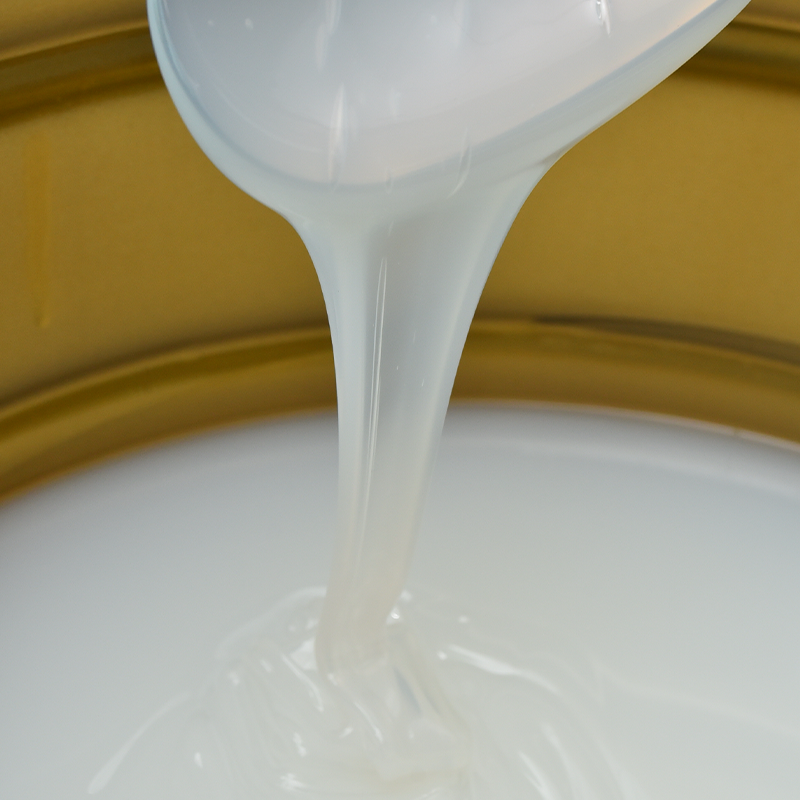
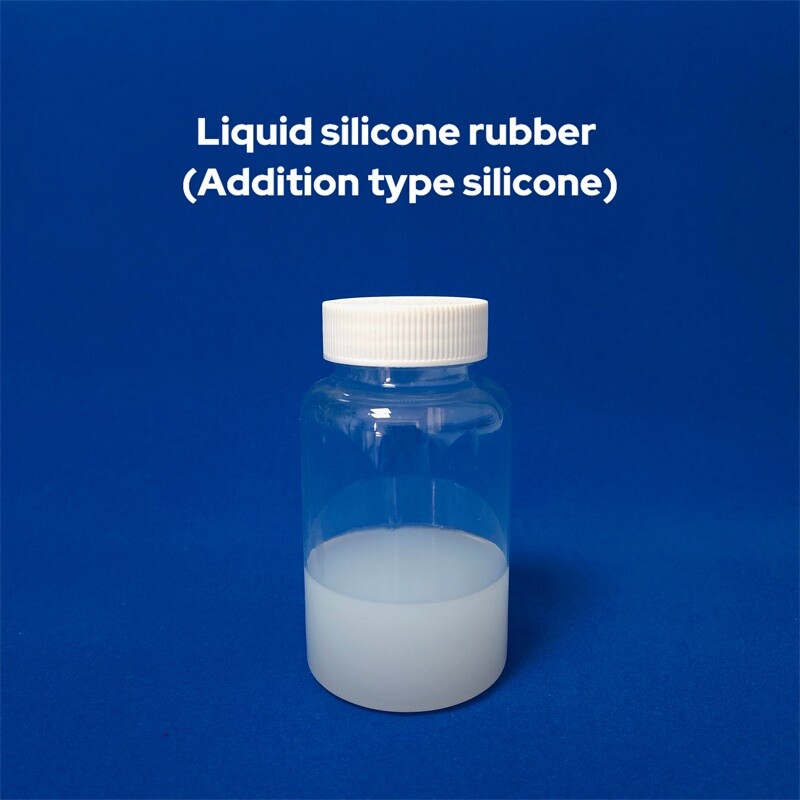
Liquid Silicone Rubber is a two-component silicone elastomer that cures at room temperature or under heat. Once cured, it becomes a flexible, durable, and highly accurate mold material.
For jewelry makers, this means:
• Sharp detail reproduction
• Smooth surface finish
• Easy demolding
• Long mold lifespan
This is especially useful for resin jewelry, metal clay, wax models, epoxy, and small batch production for boutique jewelry brands.
Why LSR Is Perfect for Rings, Pendants & Charms
1. High Detail Reproduction
LSR flows easily and fills every corner of the mold box, capturing:
• Texture on metal
• Tiny patterns
• Sharp edges
• Engravings and logos
This ensures that rings and pendants come out clean and precise.
2. Strong Tear Resistance
Jewelry molds are opened frequently. LSR’s high tear strength prevents cracking or split lines, even after dozens or hundreds of castings.
3. Excellent Flexibility
Flexible silicone allows easy removal of complex-shaped jewelry pieces without damaging the mold or the master.
4. Heat and Chemical Resistance
Ideal for:
• Epoxy resin
• UV resin
• Wax injection
• Low-temperature metal casting clay
LSR will not deform, shrink, or react with casting materials.
5. Long Lifespan
One high-quality LSR mold can last through many production cycles, reducing material waste and production cost.
Applications of LSR in Jewelry Production
Liquid silicone rubber is widely used for:
• Rings – smooth finish and perfect roundness
• Pendants & Necklaces – fine texture and clear engraving
• Charms & Mini Accessories – precise detailing
• Wax Injection Molds – stable, reusable, and durable
• Resin Jewelry – perfect glossy surface
Whether it’s handmade jewelry, boutique design, or small-scale mass production, LSR offers excellent workflow stability.
How to Use Liquid Silicone Rubber for Jewelry Molds
1. Prepare the master model (ring, pendant, charm).
2. Build a mold box or use a ready-made container.
3. Mix Part A and Part B of the LSR according to the provided ratio.
4. Pour slowly to avoid bubbles and ensure full coverage.
5. Allow curing at room temperature or with gentle heating.
6. Demold carefully—your silicone mold is now ready for casting.
Choosing the Right Liquid Silicone Rubber for Jewelry Molds
Look for LSR with these properties:
• Low viscosity for detail capture
• Shore A hardness between 10–25
• High tear resistance
• Low shrinkage (<0.1%)
• Good compatibility with resin and wax
Professional-grade LSR ensures better quality and longer-lasting molds.
Conclusion
Liquid Silicone Rubber is the best material for creating jewelry molds, especially for rings, pendants, charms, and other intricate designs. Its precision, durability, and ease of use make it ideal for both professional workshops and hobby creators. If you want high-quality, smooth-finish, and long-lasting jewelry molds, LSR is the perfect choice.
Click the link below to learn more about the product specifications
Leave A Reply